
White Backdrop or Dark: Choosing a Background for Your Pet’s Portrait
I’ve photographed my dog Maebe against white, against black, against a very silly yellow, and outdoors in natural light. Looking through those photographs, I recognize her in all of them, but I get a different feeling from each. Part of that comes from her expression and what she’s doing in the moment, of course. But the background gives me a different place to start.
If you’ve spent time looking at my pet photographs, you’ve probably noticed how often I use white. I started working that way in graduate school, carried it into my books, and still use it regularly. It’s become the look people tend to associate with my work.
When I bring my mobile studio to your home, though, we have other options. We’ll talk about the look you like, what your animal enjoys, and where you imagine displaying the finished photographs before I pack the backgrounds.
Why I so often use white
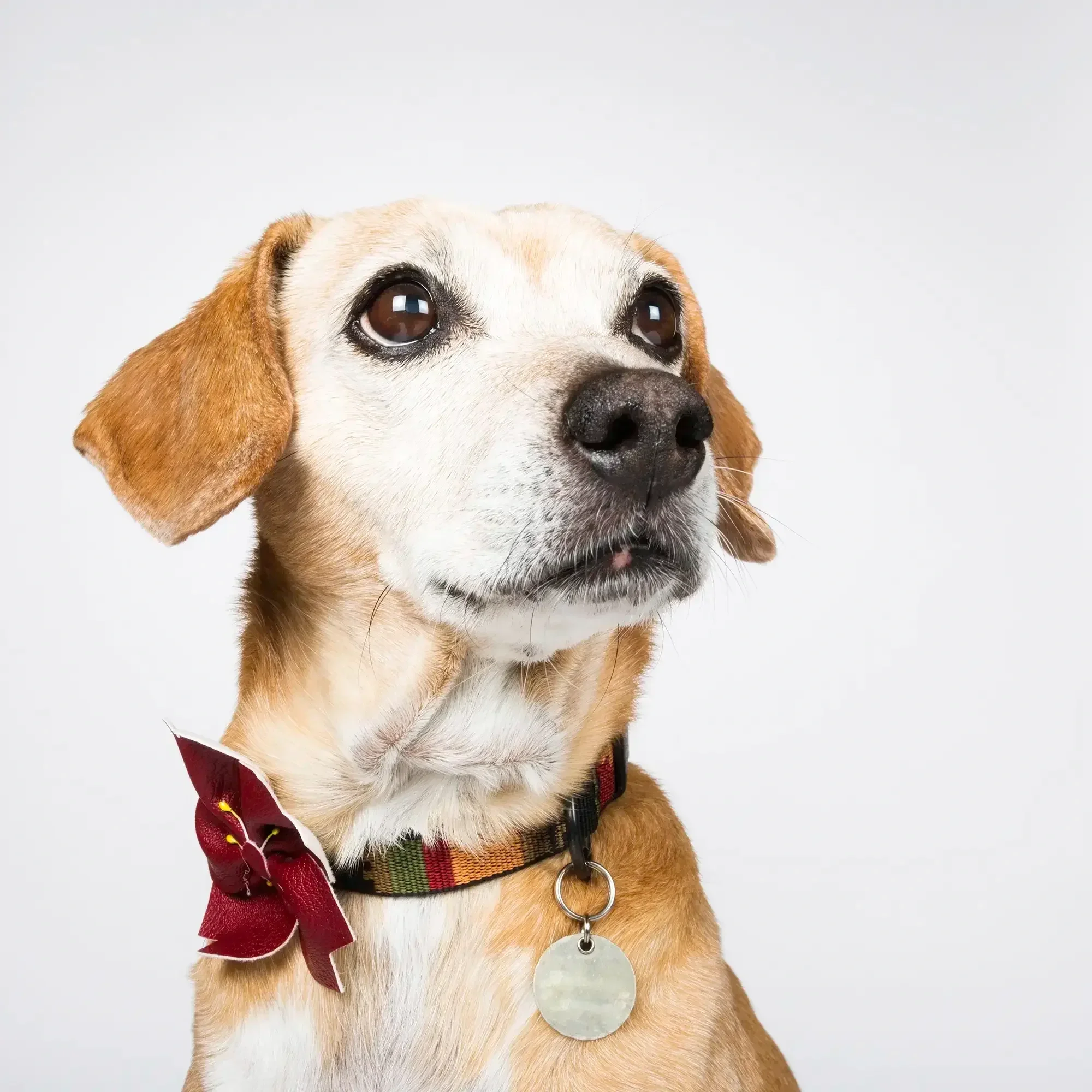
Against white, I can give you a clean portrait with very little competing for your attention. I like seeing the animal’s expression, the shape of their ears, the way they hold themselves. White also makes a practical starting point for lighting because the backdrop doesn’t reflect a color onto the fur.
I tend to photograph more play and movement against white. That’s partly my own habit and partly what clients expect from the photographs they’ve seen on my website. If you picture your dog bouncing around or making a ridiculous face, there’s a good chance you’ve seen me photograph something similar against white.
I can also make a quiet, serious portrait that way. Some people love the simplicity; others find an all-white setting a little sterile. If you feel that way when you look through examples, tell me. You’ll be the one living with the photograph.
What I can do with a dark background
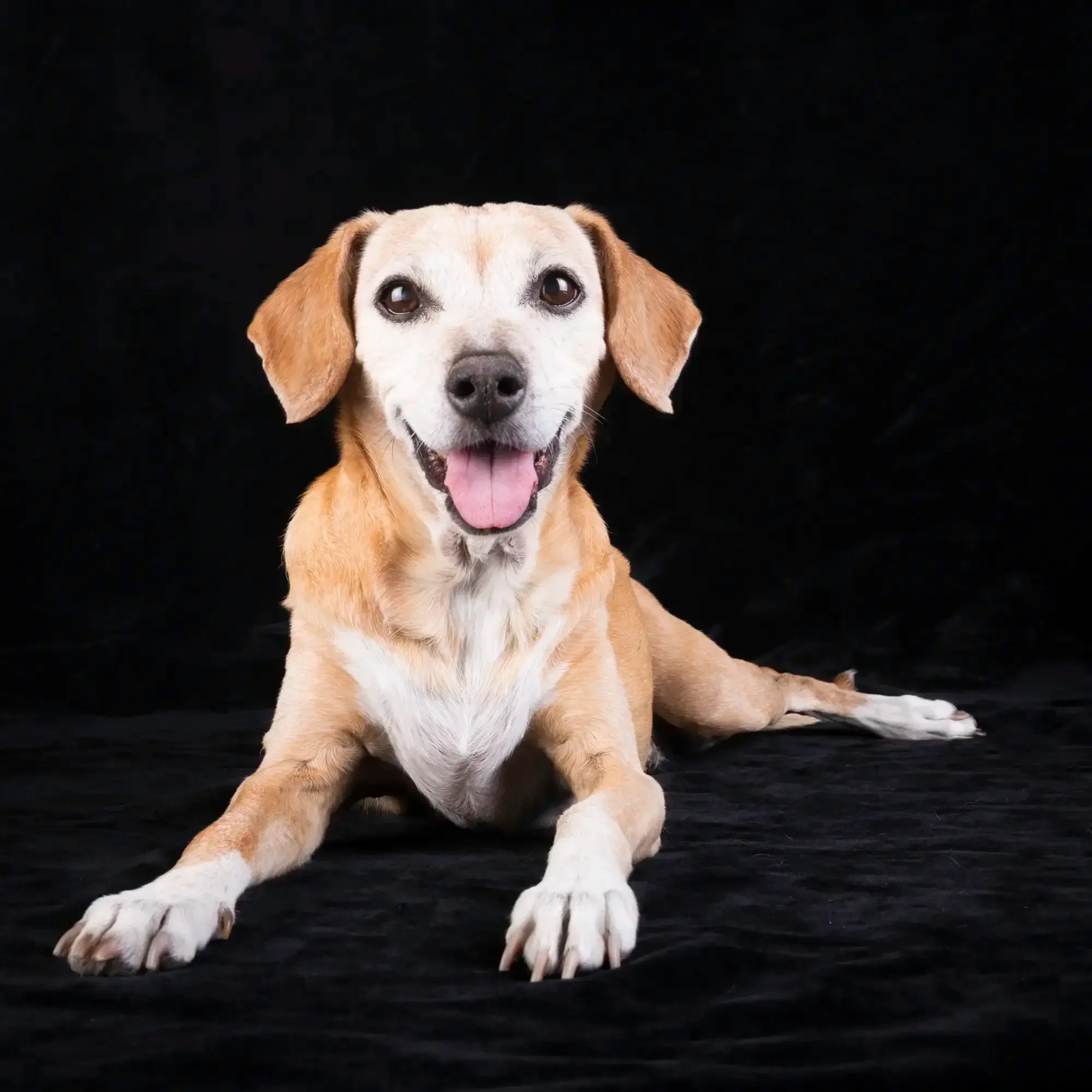
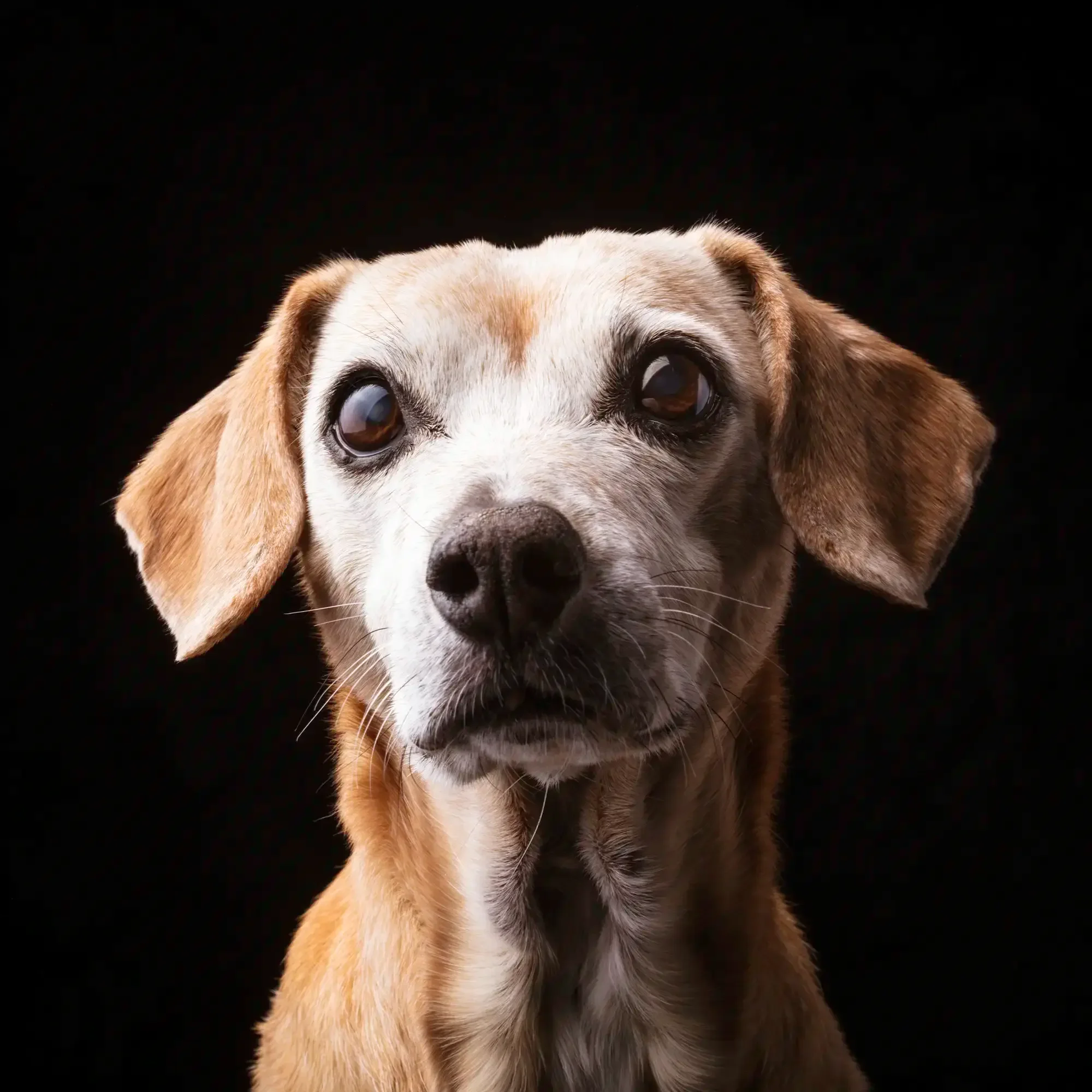
I often lean toward a more serious portrait against black or dark gray. With the background receding, I can concentrate your attention on the animal and use light and shadow to emphasize particular features. A darker blue or another deep color can give me some of those same possibilities.
This is where I particularly enjoy shaping the light, deciding how much of a face to reveal, where to keep a shadow, and how to bring out the texture of the coat. I tend to think of that approach as leaning more toward a fine art portrait.
Although I often use black for quieter, more dramatic portraits, it doesn’t have to feel heavy. In the dark-background photo of Maebe here, I lit her evenly and caught a bright, happy expression. If we want something moodier, I can shape the light to let more of the coat fall into shadow.
Color and the surroundings
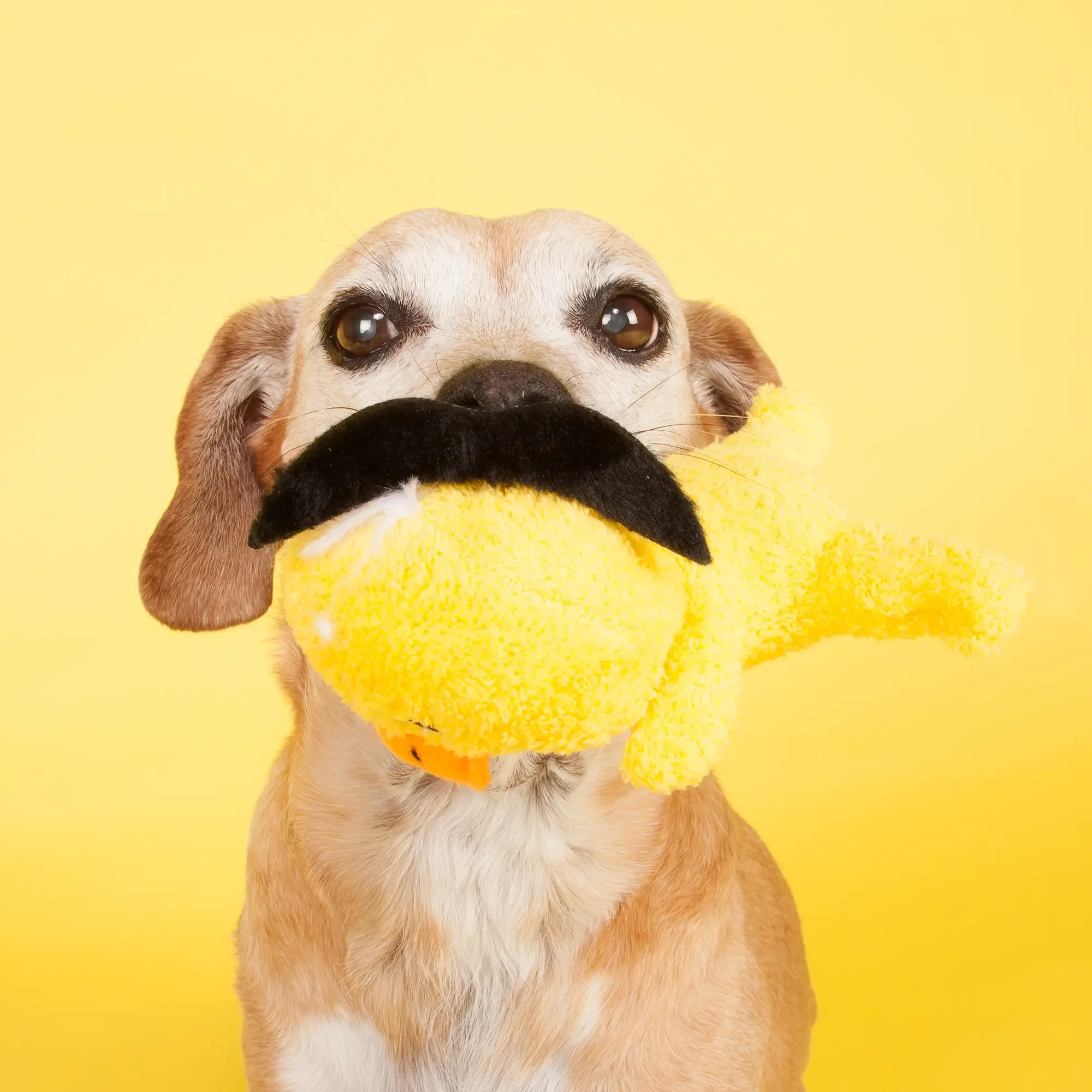
Sometimes you want color. The yellow photograph of Maebe takes that possibility quite happily into silly territory, and I like having room for that alongside the more restrained portraits.
Color takes a little more care because light can bounce off the background and reflect onto the animal. Yellow blends fairly easily with Maebe’s warm coloring. Blue, green, or red reflections could look much more obvious on her and require different lighting or more attention during editing.
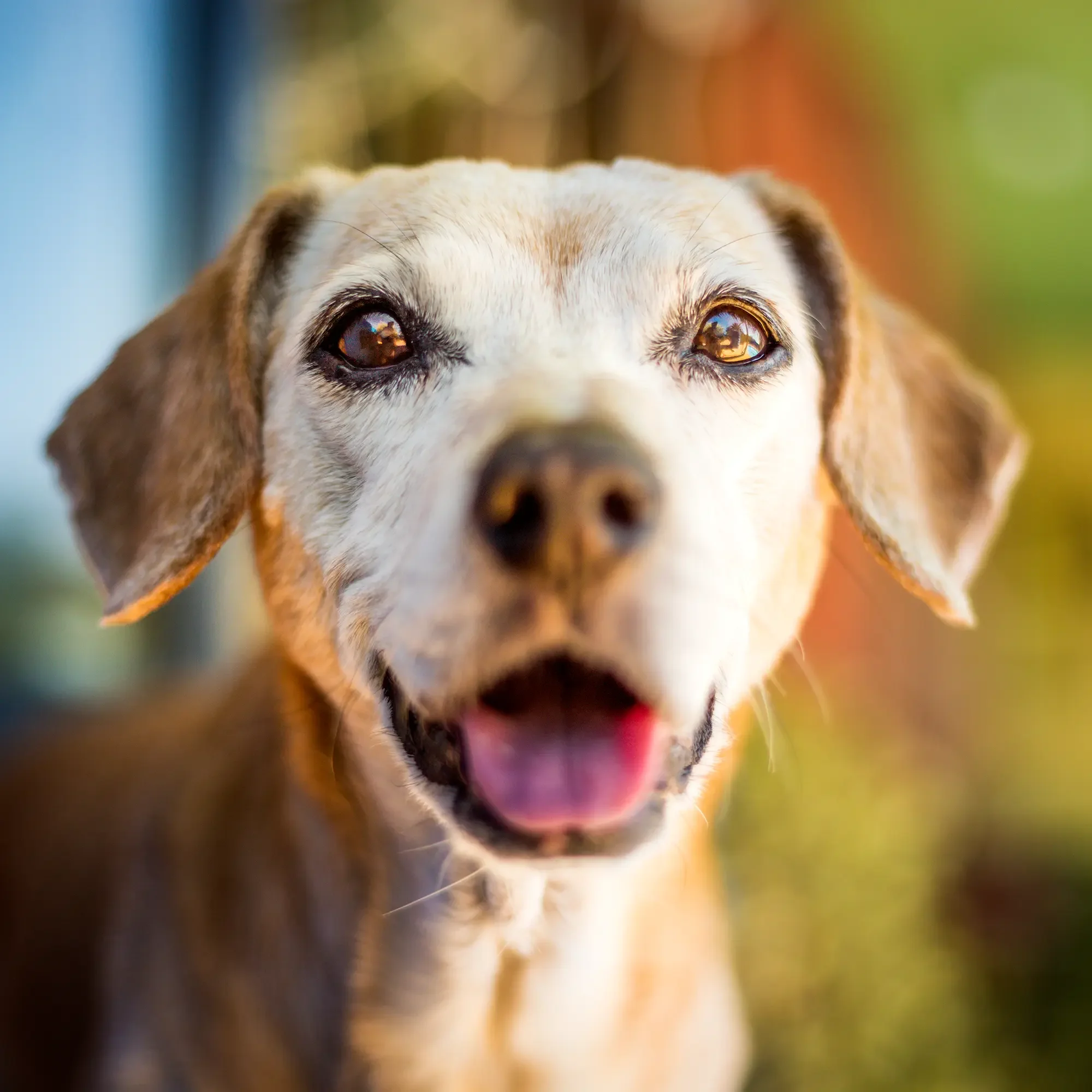
The same thing can happen outdoors. In the natural-light portrait of Maebe, the wall beside her reflects a little orange onto her coat. An outdoor setting gives us its own colors to work with, even when they’re softly out of focus.
I’m happy to work with color. I just want to choose it with both your pet and the finished portrait in mind.
Your pet’s coat doesn’t decide for us
A white or very light animal can look striking against dark, and a dark animal can stand out beautifully against white. Those combinations give us an obvious contrast, but we can work with white on white or dark on dark too.
My dog Birdy is mostly white. When I photograph her against white, I keep the exposure a little lower to preserve the detail in her fur, then brighten the background separately during editing. With a dark animal against a dark background, I expose for the pet and adjust the background as needed.
Coat color and texture help me decide how to light the portrait. You can still choose the background you like.
What your animal gives me
The background sets the table for the mood. How I photograph your pet also depends on what they’re comfortable doing that day.
If your dog is happy to hold a sit or lie down for a while, I have more time to refine the lighting around their face and body. With a busy cat, a high-energy dog, or an animal who feels nervous, I adjust my approach to what they’re willing to share with me.
That affects how much precision I can bring to a particular pose or lighting arrangement. I can make a serious photograph against white or a playful one against dark, but I’ll work with the animal in front of me as we find out what’s possible.
Think about where you’ll put the portrait
I usually recommend a neutral background if you want a classic look for a portrait with studio lighting. White, gray, and black all let us concentrate on the animal without adding another background color to your room.
Your home gives us something else to consider. Plenty of Tucson homes keep the rooms relatively dim to escape the sun, and a portrait with a light background might stand out nicely there. In a bright room, you might prefer the presence of a dark portrait. Neither choice has to follow a rule.
If you have colorful Southwest walls or furnishings, we should consider how a colored backdrop or outdoor setting will look alongside them. A background you love on a screen might be less appealing against the wall where you plan to hang it. A small portrait for your desk may call for a different choice altogether.
Let’s discuss the background before your session
During the pre-session consultation, I’ll ask about your pet’s personality, any limitations, and the things they enjoy. We’ll also talk about the backgrounds you like and how you expect to display the photographs. We can leave detailed decisions about sizes, finishes, and groupings until we have photographs to review.
I keep several background colors on hand, so if you’d like something colorful, we have options. If you have a particular shade of turquoise in mind, let me know well in advance. I may need to order it.
When you get in touch about a session, tell me about your pet and where you picture the finished portrait. If you’ve seen a photograph of mine that you especially like, include that too. We can start there.
