Fine Art Photography
I photograph what isn't there to be seen.
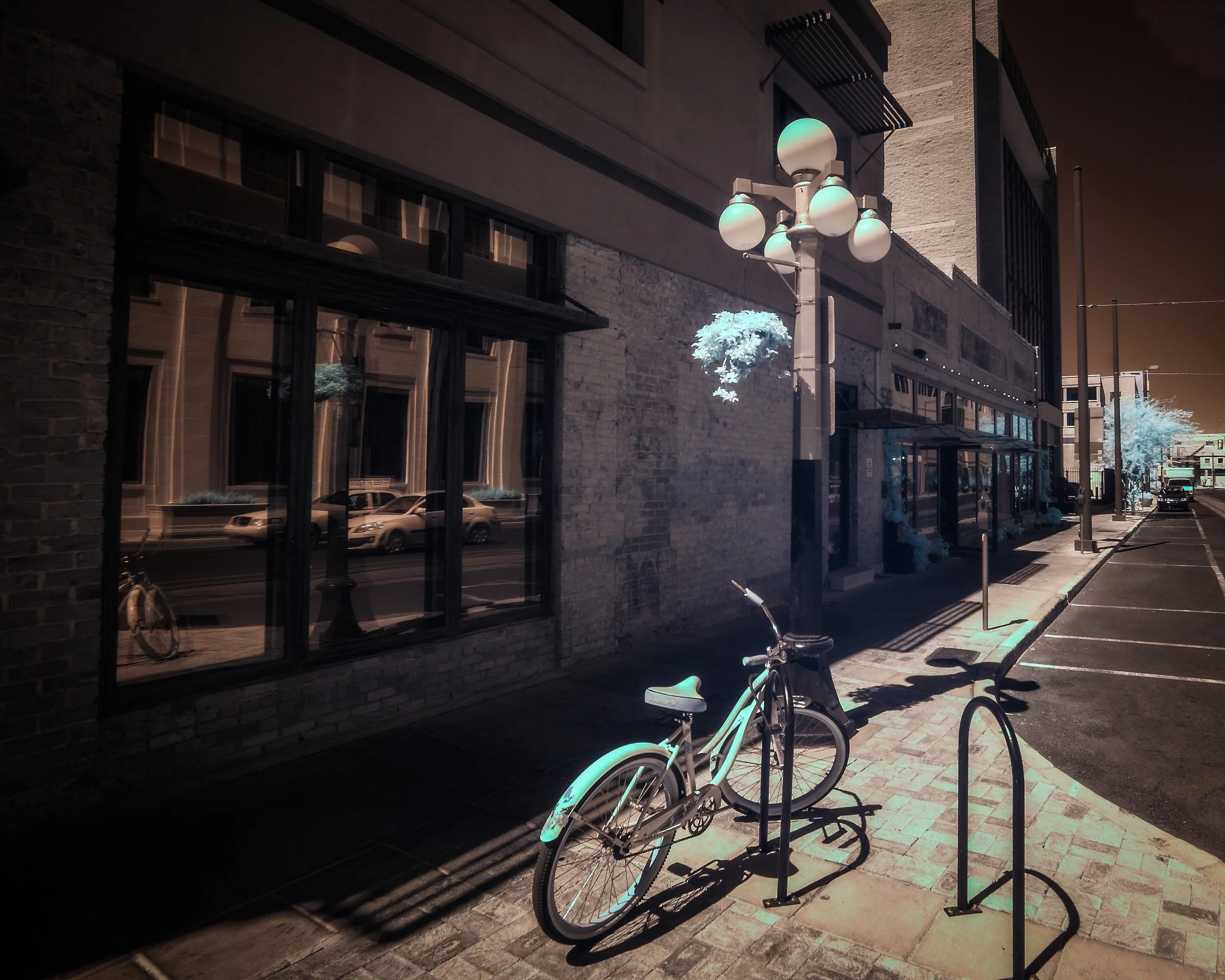
That's not a paradox, it's a description of method. Across twenty years, the work returns again and again to the same preoccupation: light and information that exist in the world but fall outside the range of ordinary human perception. Infrared wavelengths that transform green foliage into something luminous and pale. The microscopic geometry of crystallized compounds under polarized light. The abstract topography of animal fur at extreme close range. The visual poetry embedded in corroded copper and weathered urban surfaces.
In each case, the photograph isn't showing you something invented. It's showing you something that was already there, waiting for the right instrument and the right attention.
My work has been licensed through Getty Images for international commercial and editorial use, including book covers, poster production, and magazine advertising.
Browse the Fine Art Gallery | View All Projects | Contact Me About a Print
The Unseen Series
A sustained body of infrared landscape work made across three regions over twenty years, each photographed with a camera modified to record light beyond the visible spectrum. The same instrument, applied to three landscapes with nothing in common except the photographer's attention.
Unseen: Kentucky
Made between 2007 and 2008 as I was leaving Lexington, this series documents the rural landscapes and agricultural architecture of central Kentucky (horse farms, tobacco barns, creek-bottom tree cover) through wavelengths beyond what human vision detects. The infrared process made the familiar strange enough to actually look at. What began as a documentary series became something closer to remembrance: a visual language for the particular attention you pay to a place once you know you're leaving it.
Unseen: Pacific Northwest
The high desert east of the Cascades is a different landscape than Kentucky in almost every respect, harder light, wider sky, agricultural on a different scale entirely. Wind farms on ridge lines. The Columbia River dams. Wheat fields running to the horizon. The infrared work made here between 2008 and 2011 continues the same practice of using a modified camera to find the image that ordinary vision walks past, applied to a region that required learning to see from scratch.
Unseen: Arizona
The Sonoran Desert presents the infrared process with something it hasn't encountered before: a landscape where the vegetation is sparse enough that the characteristic luminous foliage effect is replaced by something starker - rock, sky, saguaro, and the particular quality of high desert light at elevation. This series is in active development.
Color Landscapes
Pacific Northwest
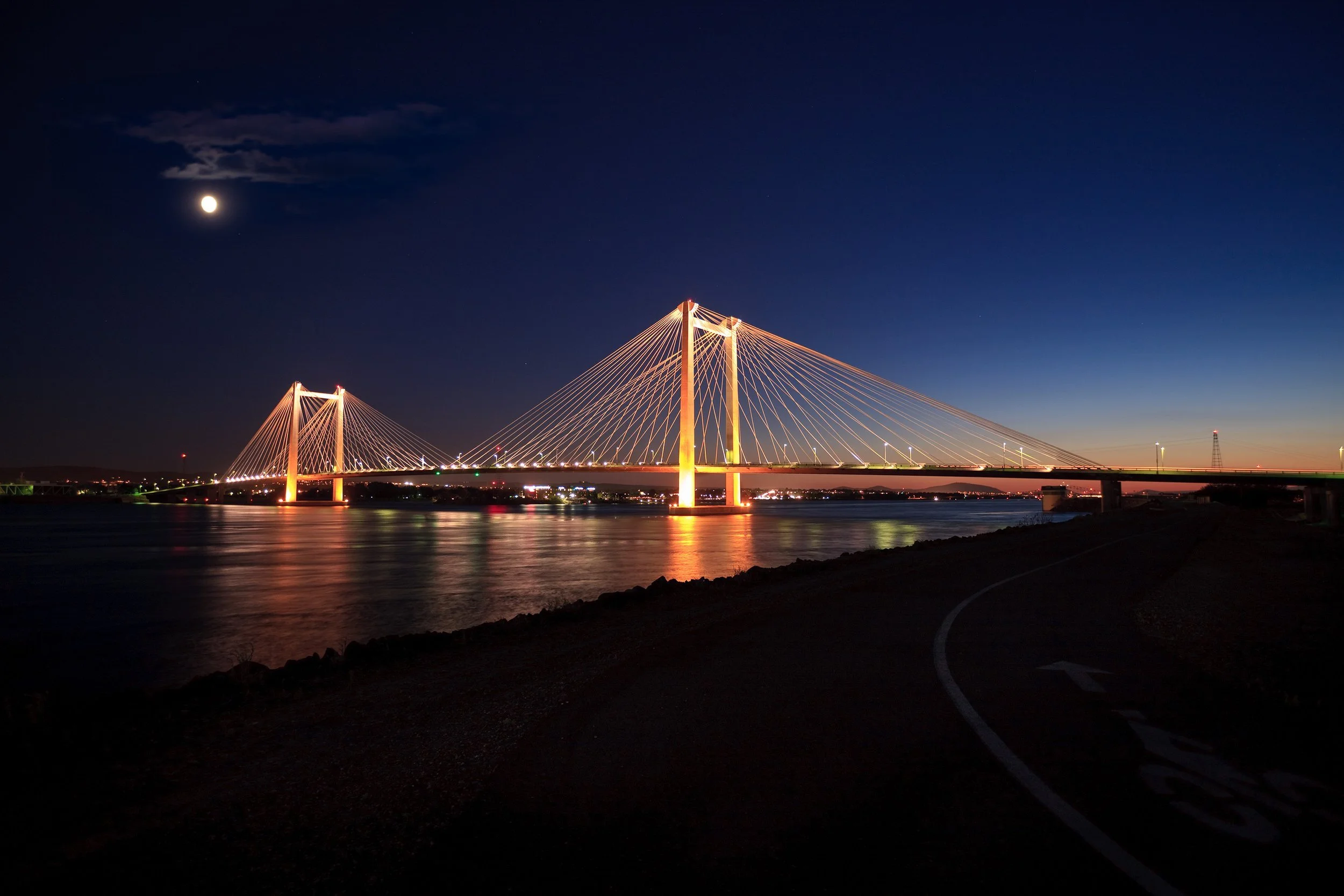
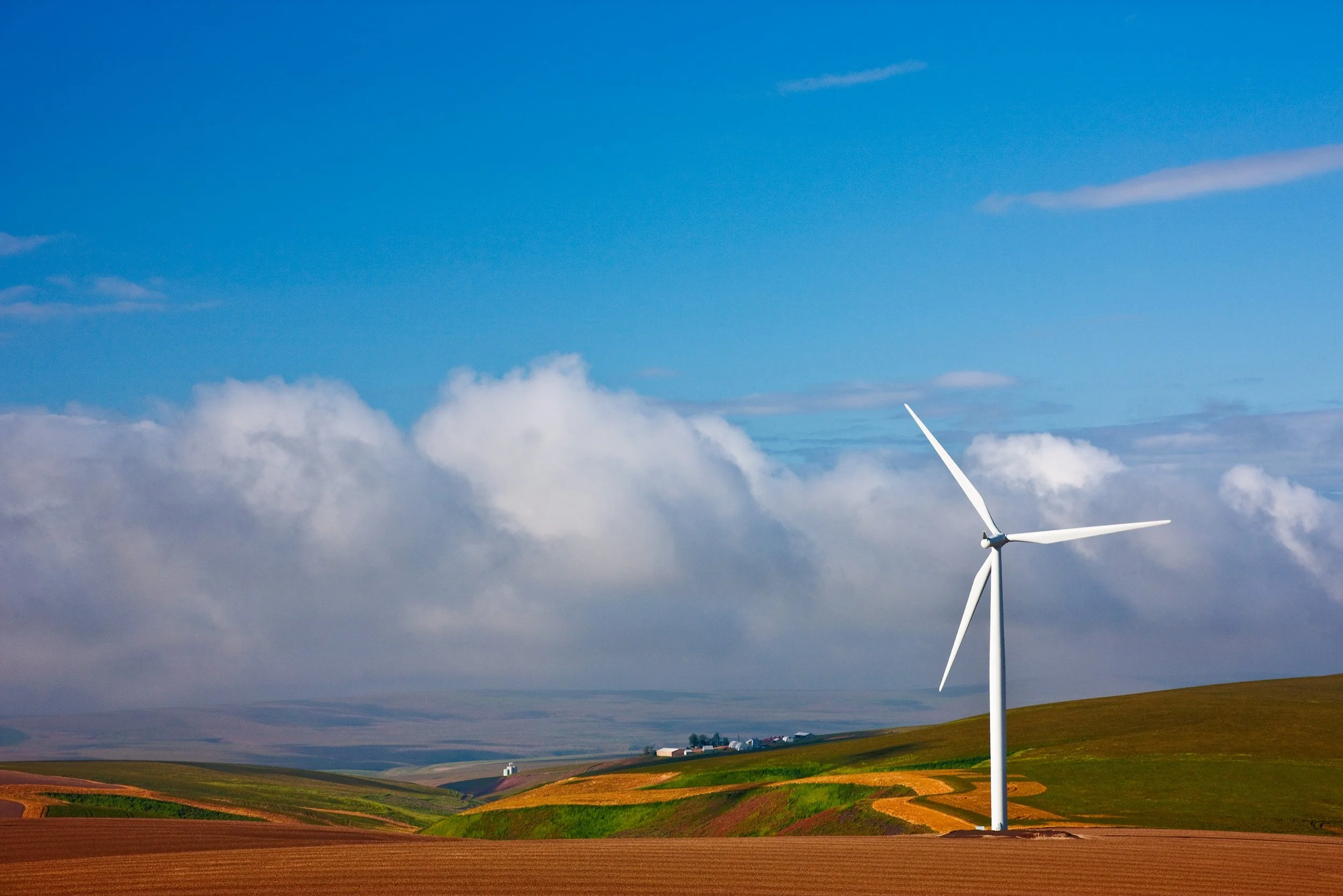
The same years that produced the Unseen: Pacific Northwest infrared work also generated a parallel body of color photography - the Columbia River basin at night, wind farms emerging from low cloud, wheat fields at dusk under skies that turn pink and gold. The region has a light quality unlike anything I've photographed before or since: overcast and luminous in a way that's specific to the Pacific Northwest, and color work that could only have been made there.
Arizona
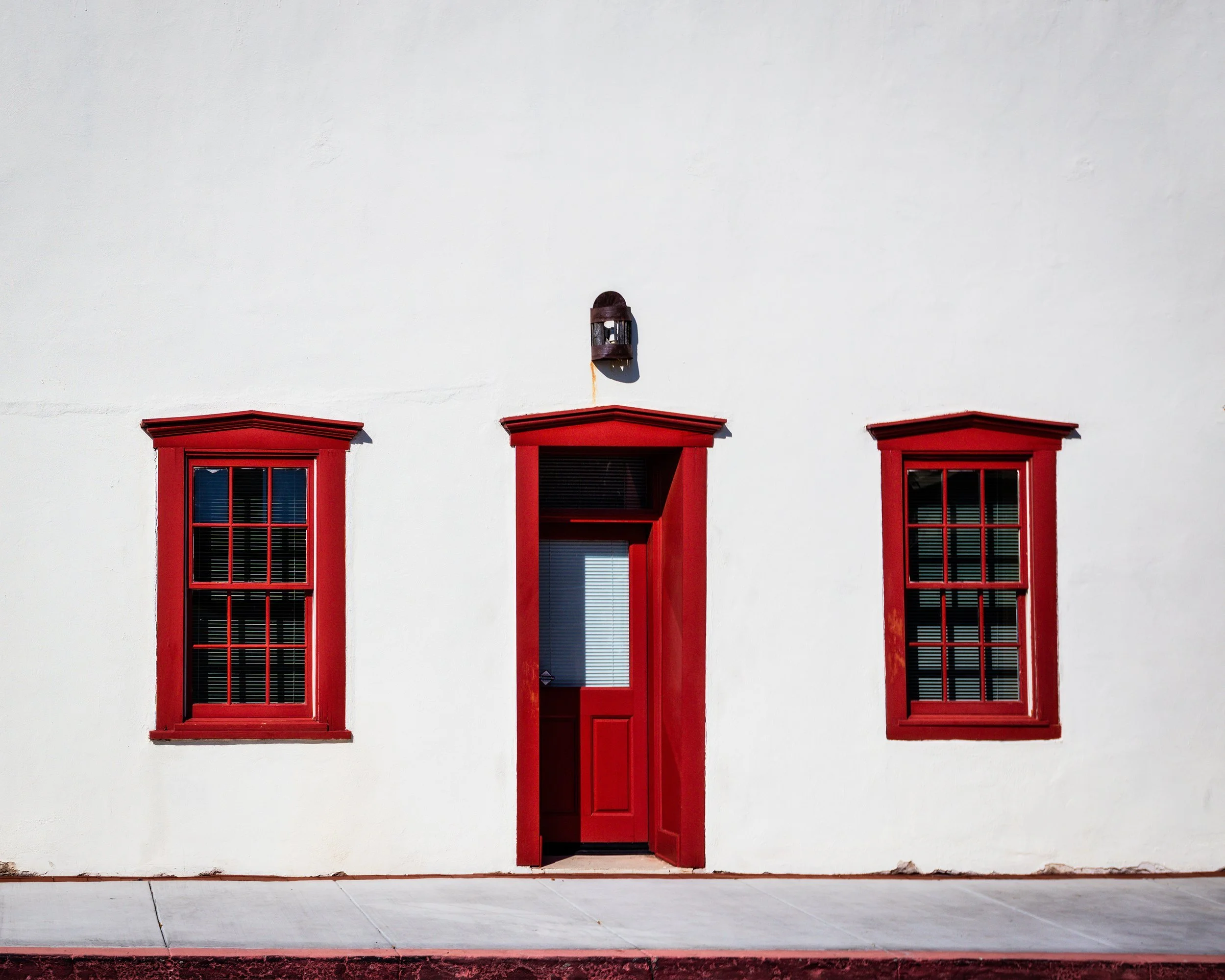
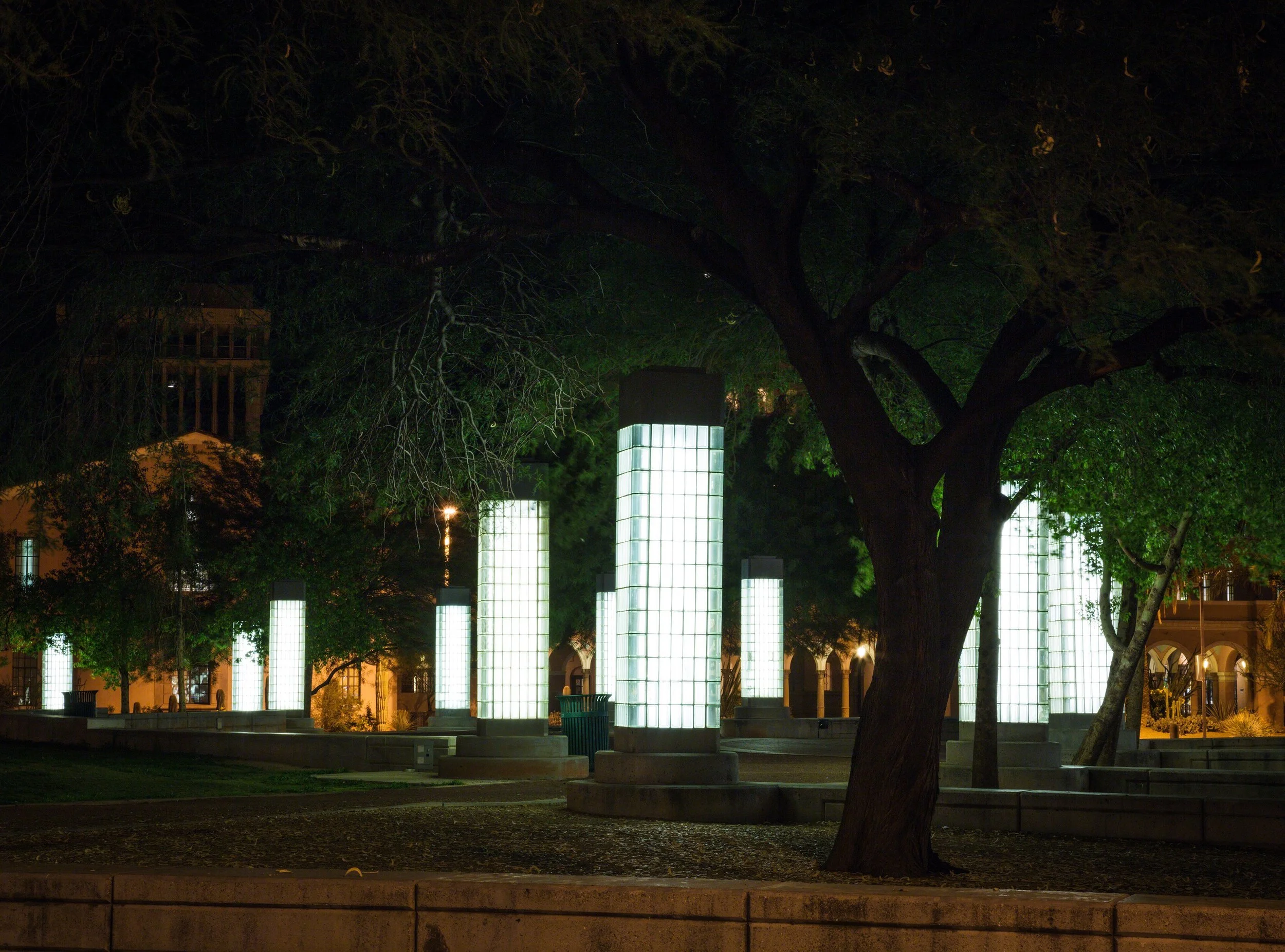
I arrived in Tucson at the end of 2011 and spent the first years learning to see light that operates differently than anything I'd photographed before. Desert light is harder, more directional, less forgiving, and more dramatic when you stop arguing with it. This series documents the Sonoran Desert and Tucson's built environment through the eye of someone who came from somewhere else and had to learn the place from the ground up.
Studio and Abstract Work
Furscapes
Extreme close-up portraits of animal fur, whiskers, ears, and form, made with a 180mm macro lens and studio strobes at magnifications that dissolve the subject into pure texture and light. A cat's whisker becomes a graphic line against negative space. A dog's haunch reads as landscape. Tucked paws resolve into a study in geometry and shadow.
Furscapes sits at the intersection of my pet photography work and my fine art practice. Anyone who has spent time looking closely at animals understands the visual richness that lives in that attention. These are exhibition-quality prints on permanent display at Desert Paws Mobile Veterinary alongside gallery-wrapped canvases from the Shelter Cats series.
Found Color
Three bodies of work that share a commitment to saturated color and pure visual form, each made through a different process.
The glass work uses art glass objects — paperweights, vessels, decorative glass of various kinds, photographed with studio lighting at close range. LED panels, colored gels, and directional strobes pull color and transparency out of the glass in ways that make the subject almost unrecognizable. The results are more painterly than photographic in the conventional sense.
The ink+water series works in two modes. In one, color dyes are introduced into a shallow acrylic tray and shaped with bursts of air into flowing, layered patterns photographed with studio lighting from above. In the other, ink is dropped into a tank and captured as it falls and disperses, the reflection doubling the form against a white ground. Both exploit the same underlying phenomenon — fluid dynamics as a compositional tool — but produce distinctly different images. This work is licensed through Getty Images and has appeared on book covers and in academic publishing.
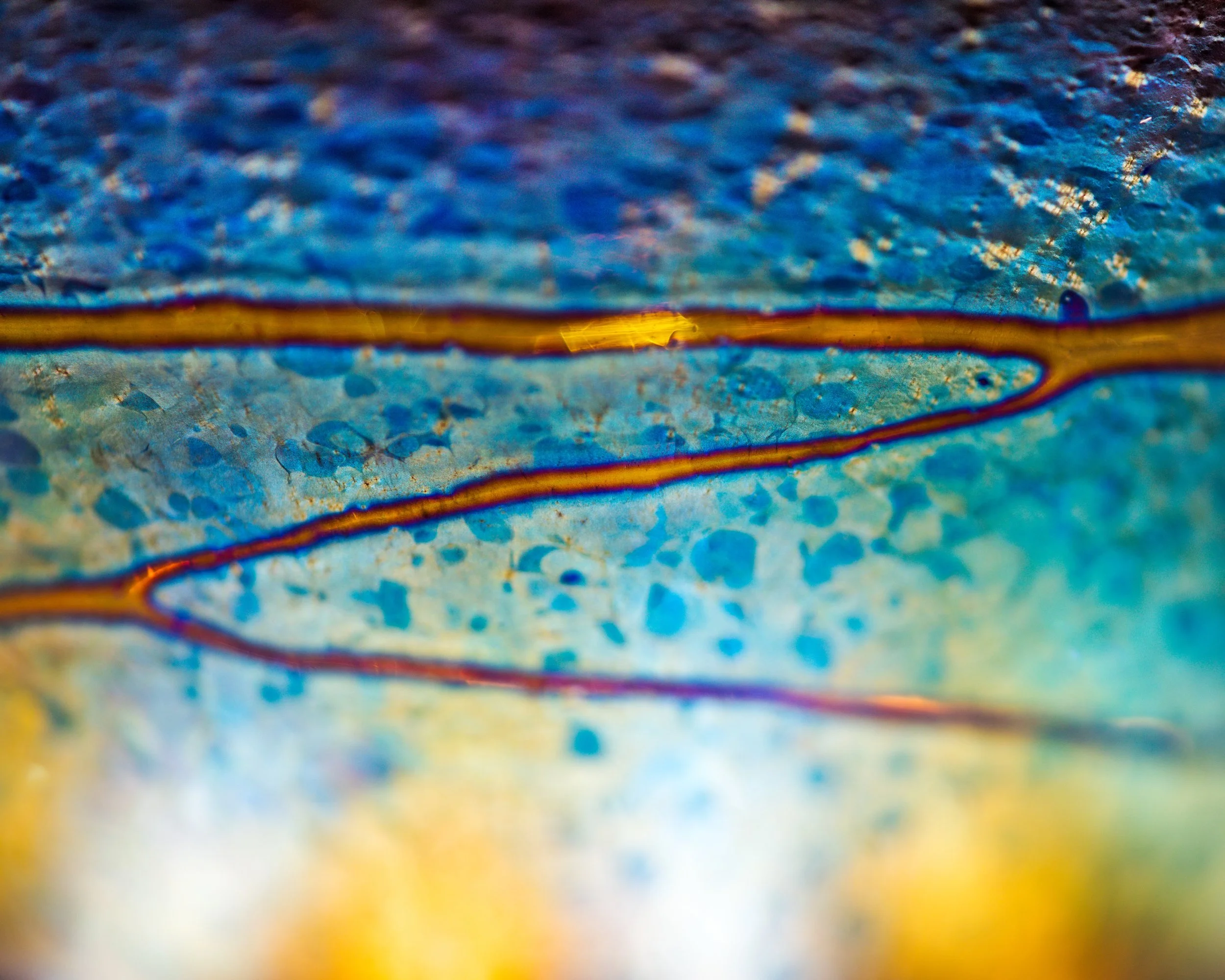
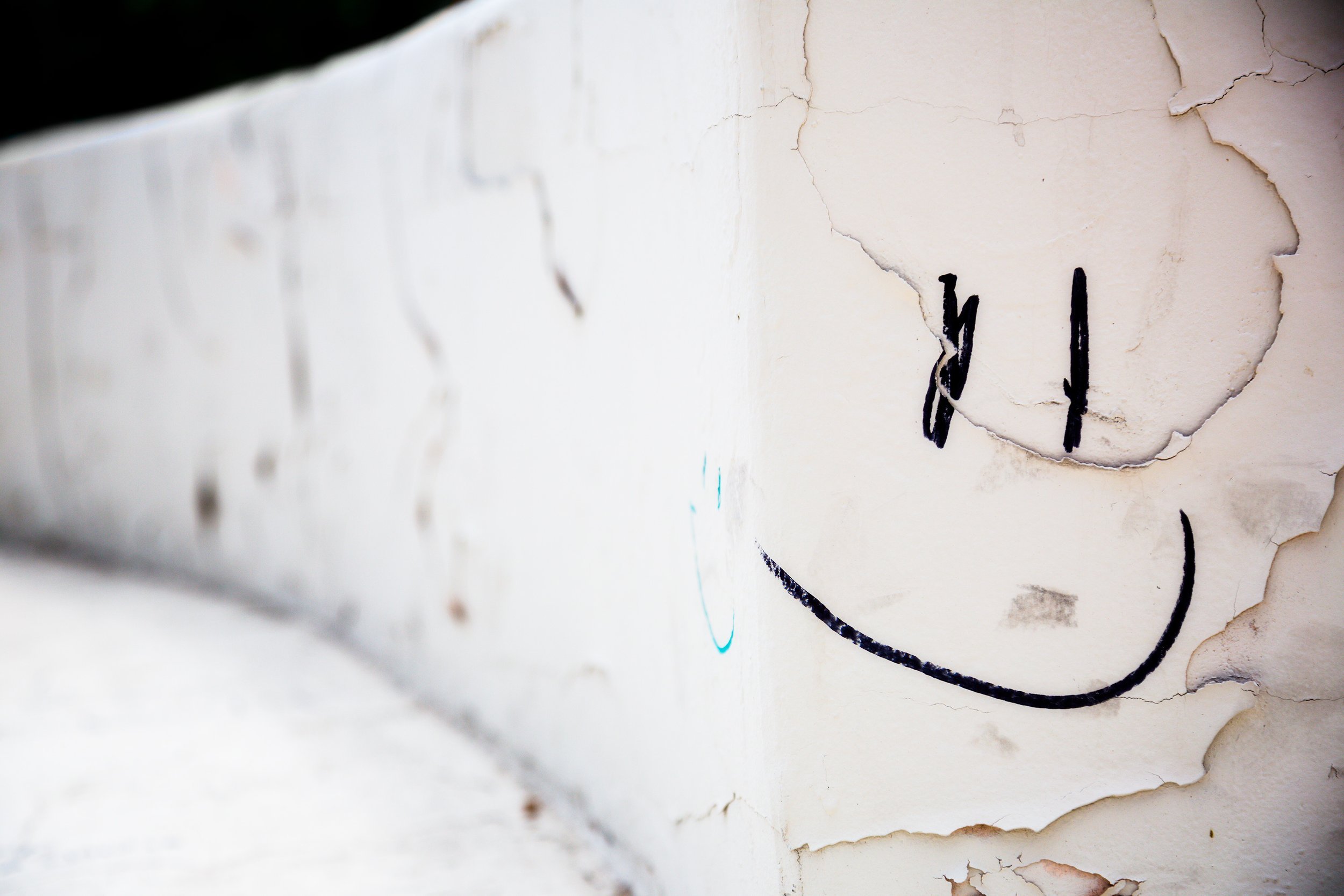
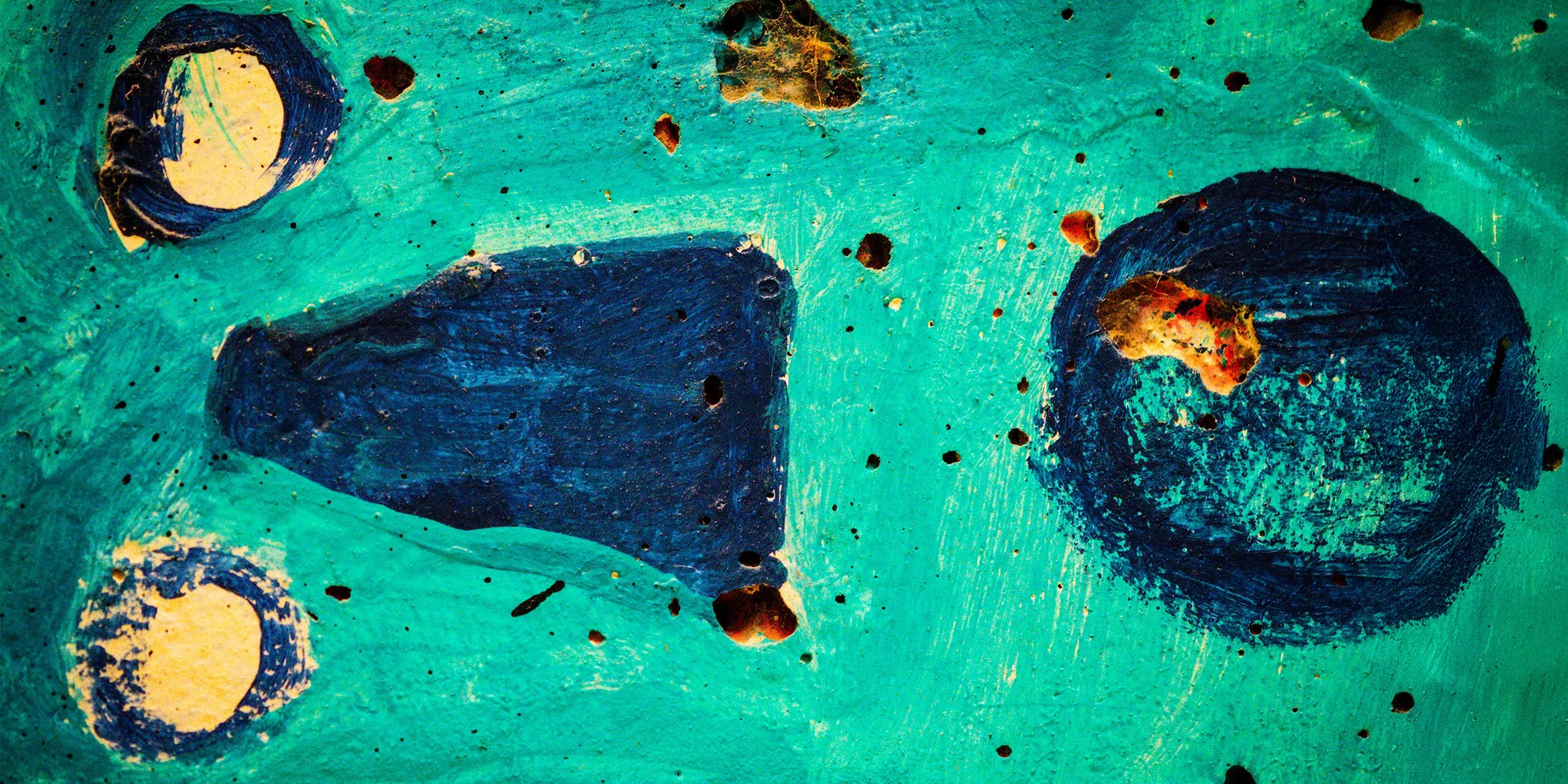
The urban abstracts are extreme close-up photography of painted surfaces, graffiti, and weathered materials found in the built environment. At this scale, a section of wall becomes something closer to abstract expressionism than documentation. This work is also licensed through Getty Images.
The kaleidoscopic series uses a large-mirror kaleidoscope of my own construction, photographed from below with color gels layered over studio lighting or from above with found objects sitting over studio lighting. The resulting images have the geometry of stained glass and the color saturation of something purely invented, which, in a sense, they are, even though every element was physically built and photographed.
Birefringence
Before I was a photographer I spent eight years as a cancer research technician, working in molecular biology laboratories where the central problem was always the same: how do you make an invisible process legible? Ethidium bromide fluoresces under UV light to reveal the structure of a gene. Fluorescence microscopy uses wavelength-specific excitation to isolate cellular processes from noise. The instruments were different from a camera modified for infrared, but the underlying act was identical: choosing the right detection chemistry to make the invisible visible, then fixing it into something you can hold and examine.
This work is that same logic applied to fine art photography. Crystallized pharmaceutical compounds and organic materials (gabapentin, brown sugar) photographed under polarized light reveal geometric structures of unexpected complexity and color through the phenomenon of birefringence, the splitting of light as it passes through anisotropic crystalline structures. A small but distinctive body of work, and the most direct expression of where the scientific background and the photographic practice converge. That background includes peer-reviewed publication — the laboratory work I did before picking up a camera resulted in five co-authored, three as first author, peer reviewed publications in journals including the Journal of Biological Chemistry and Endocrinology.
Plasticine Prehistoric
Some of my best creative work starts with a $3 toy dinosaur and a question: what if?
I've told students this for years, and I still believe it: play isn't a break from serious creative work. It is serious creative work. When you're deep in a project and the thinking gets stuck, the most productive thing you can do is set it down and go make something completely ridiculous. Your subconscious keeps working. The block loosens. You come back with fresh eyes and, if you're lucky, a handful of images that make people laugh.
Plasticine Prehistoric is exactly that kind of work. Toy dinosaurs (the cheap, brightly colored kind from the bin at the toy store) photographed as though they have places to be and opinions about getting there. Tucked into succulents hunting through miniature jungles. Pulling a sleigh across a blood moon sky. Watching a comet streak overhead with very specific feelings about it.
The series borrows its name from the geological eras scientists use to mark prehistoric time (Pleistocene, Pliocene, Holocene) swapping in the malleable, handmade quality of Plasticine to signal what this work actually is: crafted, intentional, and gleefully unserious.
About the Prints
I produce all fine art paper prints myself in my studio on a professional large-format Epson 9900 printer using UltraChrome HDR pigment inks - the same class of equipment used by fine art print studios and museum reproduction departments. Every print is made to order. That means I make active decisions about color, density, and output for your specific image and paper choice. Papers on hand include Hahnemuhle Photo Rag, Moab Entrada, and Moab Bamboo.
Each fine art paper print is hand-inspected and signed before it ships. The print is part of the work, not a reproduction of it.
Canvas and metal prints are produced by a professional print lab to the same archival specifications. Preview available fine-art prints on a photo of your wall with my free visualizer. Adjust the size, frame and mat, then download your layout for your own review. Sharing it with me is optional. Open the Wall Art Visualizer
Browse the Fine Art Gallery | Contact me about framing options
Publications
I'm the author of Shelter Cats and Shelter Puppies, published by Merrell Publishers in London, and Findelkatzen, published by Knesebeck Verlag in Munich. The books combine my fine art approach with documentary photography of adoptable shelter animals - work that grew directly out of nearly twenty years of volunteering at shelters in three states. Both publishers specialize in serious art and photography titles, and having this work recognized at that level matters to me.
Institutional and Collector Inquiries
My work is held in the permanent collection of the Tucson Medical Center Foundation's Healing Art Program: one image from Unseen: Kentucky, one from the Unseen: Arizona series, and five animal photographs. Additional work (Furscapes prints and Shelter Cats gallery-wrapped canvases) is on permanent display at Desert Paws Mobile Veterinary.
I'm available to discuss print acquisition, commercial installation for healthcare or veterinary facilities, and gallery representation. For institutional buyers in scientific or medical environments: my background includes eight years as a cancer research technician and co-author credits in peer-reviewed journals including the Journal of Biological Chemistry, Endocrinology, Growth Hormone and IGF Research, and Carcinogenesis. The fine art practice and the scientific background are not separate - they inform each other, and that connection is legible in the work.
For collector inquiries, commercial installation discussions, or questions about specific series, contact me at mike@michaelklothphotography.com or 520-301-3340.