
Is a Professional Headshot Worth It If You Only Need LinkedIn?
Yes, headshots still matter on LinkedIn, but in 2026 the better question is whether the image actually represents you well enough to create trust.
In 2026, an AI headshot costs about $29. You upload a few selfies, wait a few minutes, and get back dozens of polished images. If all you need is a LinkedIn photo, the obvious question follows. Why pay a photographer hundreds of dollars for something software can do for the price of lunch?
I want to give you the real answer, because the easy version is wrong.
Here is the uncomfortable part. The AI versions are good now. In blind tests, recruiters often cannot tell which photo was made by a camera and which was made by a model. In some of those tests, they preferred the AI image. A photographer who tells you the technology does not work is not paying attention.
So if the question is whether you can get away with an AI portrait on LinkedIn, the answer is probably yes.
That is the wrong question.
A Different Kind of Platform
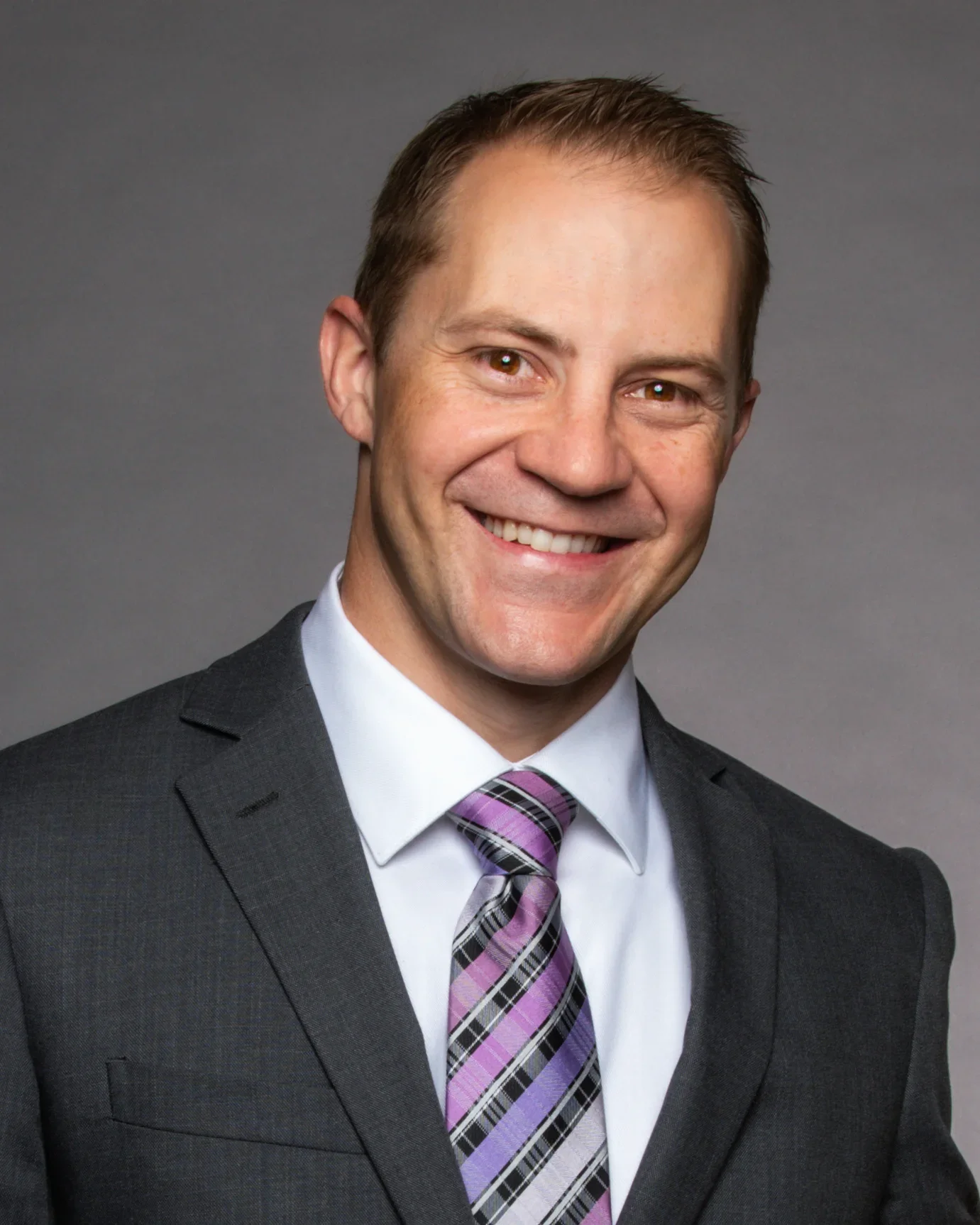
The same research that shows people cannot reliably spot an AI photo shows something else. Once they know a photo was AI-generated, most of them are put off by it. The image that tested well in the blind comparison tests badly the moment its origin is known. Surveys keep finding the same thing: people want to know whether an image is real, and authenticity is what they say they trust.
That tells you what kind of platform this is. LinkedIn is not a place where the best-looking photo wins. It is a place where people are deciding whether to trust you. Trust has a low tolerance for the feeling of being misled.
The Detection Question Is Changing
Google embeds an invisible SynthID watermark in images created or edited with its Gemini image tools, including Nano Banana. A person can upload one of those images to Gemini and ask whether Google AI made or altered it. The tool is not universal, and a negative result does not prove that an image came from a camera. It does remove one assumption this argument used to rely on: the viewer has to notice something wrong.
They may not.
They only have to wonder enough to check.
The larger shift is toward provenance rather than guesswork. Content Credentials can record how an image was created and edited, and those systems are moving into cameras, editing software, and the platforms where images appear. An AI portrait can look completely convincing and still carry a record of what it is. If people already react differently once they know, the important question is no longer whether they can tell by looking. It is what happens when checking becomes ordinary.
Which is why "can I get away with it" is the wrong question for the person this matters to most. If you are between roles and refreshing a profile, the risk is small and the stakes are low. If your name is the product, a partner, a consultant, an executive, a physician, someone whose face shows up next to a fee, the calculation is different. You are not trying to get away with anything. You are trying to be recognized and believed. Those are not the same goal. Only one of them is worth building on.
The Rule Hiding in Plain Sight
Look at LinkedIn's own policy and it gets clearer. LinkedIn allows an illustration or a caricature as a profile photo. It does not allow an AI-generated face that fails to look like you. Their stated standard is plain. Your profile photo must "reflect your likeness."
Read those two things together and the apparent contradiction resolves. An illustration is allowed because an illustration never pretends to be a photograph of you. It makes no claim about your real appearance, so it cannot lie about it. An AI portrait that is not close enough does the opposite. It presents itself as a real image of a real person, and that person is not quite you. The platform is not protecting photography. It is protecting honest representation.
This is the same standard LinkedIn applies to everything else on your profile. Your work history has to reflect the jobs you actually held. Your degrees have to reflect the schools you attended. The platform treats a fabricated title and a fabricated face as versions of the same problem, because they are. Both claim something about you that is not true.
That reframes the whole AI question. Retouching a portrait is fine, the same way cleaning up the formatting on your résumé is fine. Generating a face that is not yours is the visual version of a degree you did not earn. One is presentation. The other is misrepresentation. A professional audience feels that difference instantly, even when they cannot name it.
A Lesson From the Other Side of the Lens
I learned how much this matters as the customer, not the photographer.
Years ago I was relocating to a new city. I arranged to meet a Realtor in my hotel lobby the morning after a late flight. I sat there scanning the room for the man I had seen on his professional profile. He sat a few feet away, scanning the room for his client, because he had no idea what I looked like. We waited on each other longer than either of us should have. When we finally sorted it out, the reason was simple. He no longer looked like the person in his portrait.
Maybe I was tired from travel. The portrait was still the problem. It had stopped reflecting his likeness, and it cost both of us a small, awkward stretch of time at the start of a relationship that runs on trust. It did not end the deal. He was lucky it was me and not someone less forgiving. A service professional cannot count on that luck.
Here is what that taught me, and why it sits at the center of the AI question. An outdated real photo and an over-polished AI photo fail in exactly the same way. Both put a face in front of people that is not the face that walks in the door. Likeness has always been the thing that mattered. AI did not create that problem. It made it cheap and fast to get wrong.
What You Are Actually Paying For
So what does paying a photographer buy, if the software is good enough to pass at a glance?
It buys a real photograph of the real you, made well enough that you never have to think about any of this.
That comes down to two things software still cannot direct on its own. The first is light. Lighting is where amateur and professional photography separate most visibly and least forgivingly. Bad light makes a confident person look uncertain. Controlled, professional lighting shows depth and dimension in a face instead of flattening it. My CPP certification through the Professional Photographers of America is a tested standard in exactly this. It is a commitment to results that hold up, not results you hope for.
The second is direction. Most professionals are not comfortable in front of a camera, and an AI tool cannot coach you through that. It can only average your selfies. I have spent over twenty years photographing anxious rescue animals as a volunteer, and that patience translates directly to a nervous executive in a conference room. When you are at ease, your real expression shows up. That expression is the entire point, and it is the one thing no model can fabricate, because it has to happen in the room. That coaching starts before the camera comes out. My headshot session prep guide walks you through wardrobe and expression ahead of time, so the direction on session day builds on preparation instead of starting from zero.
I will also not retouch a portrait past the point where you stop looking like yourself. That is the line. It is the same line LinkedIn draws, for the same reason.
The mobile studio model is part of how this works. I bring studio lighting to your Tucson office or home, so there is no commute and no waiting room, and you relax in a space where you already feel like yourself. A focused session runs about 30 minutes. Edited portraits from it are delivered in 48 to 72 hours, because professionals usually need these images for something already in motion.
What It Costs in Tucson
Which brings us to the question underneath the question. What should you expect to spend?
There is a budget tier in Tucson under $100. Below it sit the AI tools, the $29 option this post started with. Those are a different product, and this whole post is about why. Above that floor, the working market for real professional portraits runs from roughly $150 to $525 for a session. Price alone will not tell you much, because the session fee is rarely the real number.
Here is the trap. The common model in Tucson charges a low session fee and then sells you the images separately, often $150 or more for each finished portrait you want to use. A $150 session can become a $500 session by the time you have a few usable frames. That is why I deliver finished, retouched, high-resolution files in the base price of every tier, rather than starting a meter that runs per frame. You leave with a usable portrait.
The better way to weigh the cost is per use. A professional portrait works across LinkedIn, your website, speaking materials, conference programs, and your email signature, for two to three years. You hold full commercial rights to it, so it keeps working everywhere your name appears without a second thought. Measured against everywhere it shows up and everyone it reaches, the cost per use is small. Measured against the opportunities a credible first impression opens, it is hard to even calculate.
For most professionals, the decision comes down to one honest question. What is your professional image worth to your career? If the answer is "quite a bit," then a real portrait of the real you is worth paying for, and the $29 alternative was never the cheaper option.
I create professional portraits for business leaders, executives, attorneys, physicians, and consultants across Tucson, including Oro Valley, Marana, and Catalina Foothills. Sessions start at $395, with executive and personal-branding tiers up to $895 for professionals who need more looks, more images, and creative direction. Images are included at every tier. Most people book because something is already in motion. A new role. A pivot. A speaking engagement on the calendar. If that is you, reach out today or schedule a free consultation.
